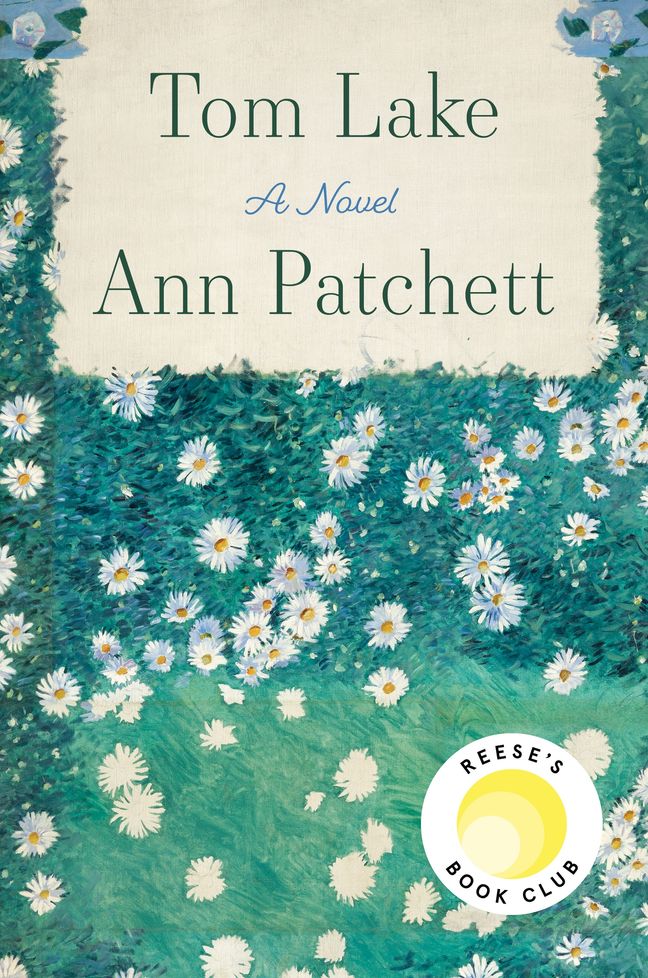
- The Good: The optimism and excitement of youth
- The Bad: Sticky-sweet sentimentality over authenticity
- The Literary: A book that mirrors the play it showcases
During the pandemic, Lara’s three daughters, Emily, Maisie, and Nell, return home to the family orchard in Northern Michigan. They beg their mother to tell them the story of Peter Duke, a famous actor whom she dated one summer before they were born. As the story of Lara’s youth unfolds, her three daughters learn things about their mother’s past they’d never heard before and the way that children never really understand their parents lives before them.
When she was young, Lara got the part of Emily in the American classic play Our Town. Everyone loved her performance so much that she continued getting parts, eventually moving to Los Angeles to act in a movie and several commercials. By chance, she ended up at a small but well known theater company in Michigan, where she met and fell in love with another young actor, Peter Duke.
I really enjoy Ann Patchett’s contemplative narrative style. This story centers around family and love, and looking back on a life. It’s hopeful though it is anchored by loss, and being surrounded by loved ones during an isolating pandemic fits the theme nicely. The slow burn narrative switches back and forth in time, from the routine chores of running a farm to the exciting possibilities of youth, whether career or young love.
I particularly enjoy the family dynamics. Each daughter is distinct in personality, and the wistful way Lara watches her daughters grow up is bittersweet, especially as she revisits her own coming-of-age tale. There is some pain and longing in all three lives, but it seems as if they are all working towards a transformation into something better, some version of themselves they hope to become.
Lara herself is portrayed as having reached some sort of pinnacle of happiness in her late fifties. But Lara as a character is stagnant, and everything interesting about her has already happened. All ambition is gone, and she’s already inviting people to be buried in the small family graveyard at the back of their property, because the cherry farm represents a life that these high-profile industry types never had. Though it’s never stated outright, Lara won, because she realized early that working on a quiet farm is better than being in the film industry in Los Angeles.
It’s unfortunate that the novel falls so heavily on the side of sweet sentimentality. The story is determined to be positive at all costs. At the very end, Lara refuses to share the difficult (but most compelling) stories with her daughters, which feels like a betrayal to the lesson she’s trying to teach her them about resilience and growth and the seasons of life. Lara herself—like the novel itself—ignores the darker, more painful, sides of life, which leaves a taste of inauthenticity.
Recommended as an audiobook, read by the fabulous Meryl Streep, for it’s captivating characters and family dynamics. But if you’re new to Patchett, this isn’t the best of her work.