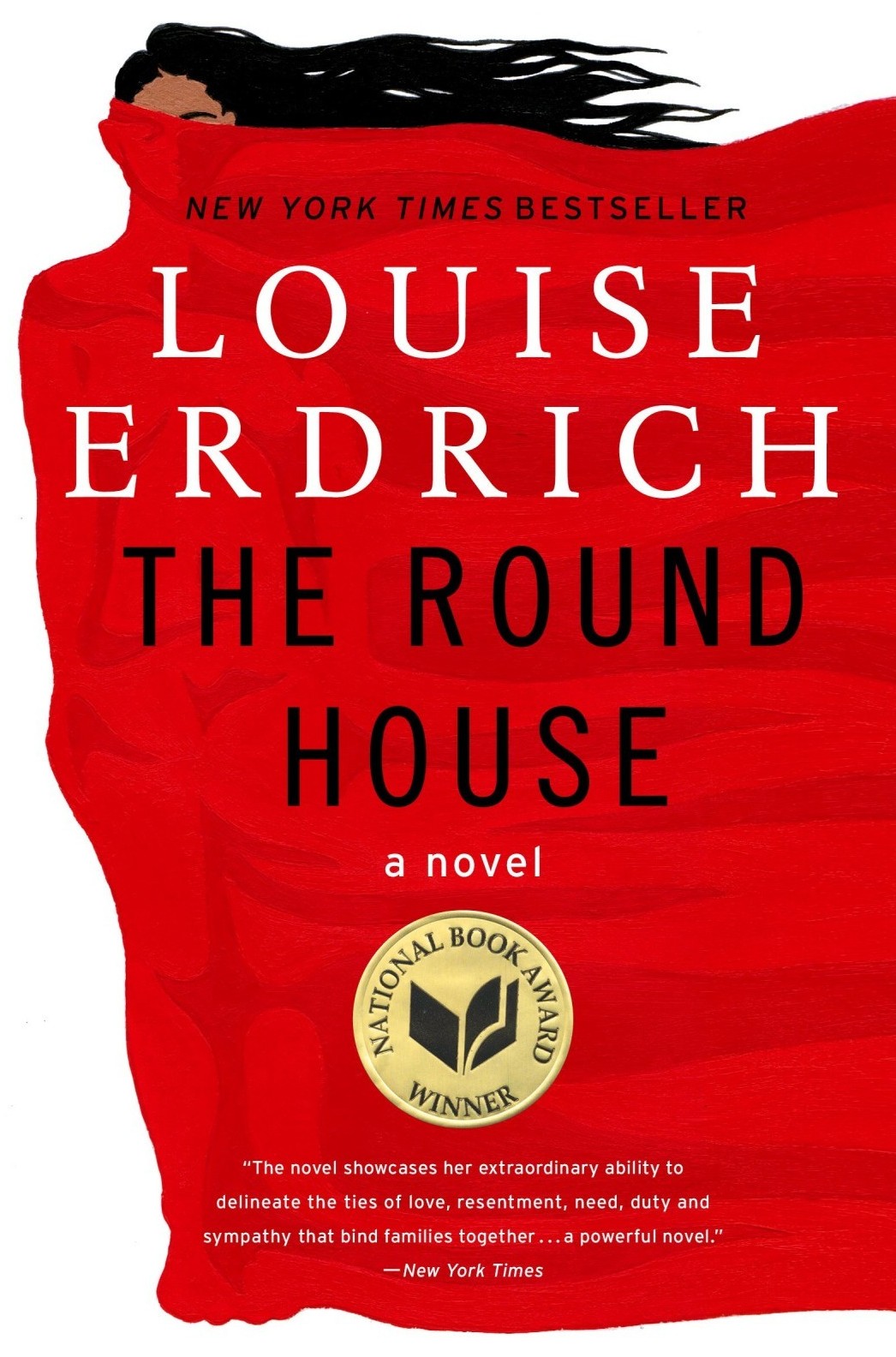
- The Good: A forced coming-of-age story of a young Ojibwe boy
- The Bad: Uneven pace; emotionally difficult subject matter
- The Literary: National Book Award winner
Joe Coutts, a 13-year-old boy, is frustrated with the poor investigation into his mother’s gruesome rape and sets out to find his mother’s attacker with the help of his best friends, Cappy, Angus, and Zack. Since they live an Ojibwe reservation in North Dakota, the exact location of the crime and the identity of the attacker determines that very different courts will preside over the eventual conviction, if there every is one.
This is an extremely difficult story to read, as you might imagine, but I’m glad I made it through. You are with Joe in the terrible aftermath of the violent crime against his mother, the helplessness that Joe and his father feel, and his mother’s retreat from reality to cope. This story is Joe’s forced coming-of-age, as he seeks to at first understand what happened and then find justice.
Joe is a typical teenager, obsessed with girls and breasts, who gets into trouble with his friends, rides his bike around the reservation, stops at the houses of various grandmothers to obtain food, and watches a lot of Star Trek: The Next Generation.
This is definitely a story about tribal, state, and federal jurisdiction and the prevalent violence against native women. And it’s about a young boy understanding masculinity and watching how different adult men in his life treat women. But it’s also about the strong friendships between goofy teenage boys and the raucous laughter of old women after they tell dirty jokes.
My favorite part of the story is the melding of spirituality and religion. Sure, there’s a powwow, but more importantly, there are elders who tell scary stories that may or may not be tribal lore, and there are the Catholic teachings of Father Travis, an hard young athletic priest whose teachings of Jesus and the Holy Ghost seem even more improbable. Joe’s father, who is a tribal judge, also refers to his Handbook of Federal Indian Law as his bible.
After completing the novel, I read that Erdrich wrote this after her own diagnosis with breast cancer, which somehow shows through in the writing. The sense of isolation and loss, the unfair lucky draw, an event that changes the course of a life, and the urgency of wanting to do something, anything.
The Round House won the National Book Award for Fiction in 2012. As a novel, it’s rather slow-paced for a mystery thriller, with too many characters, and long chapters filled with emotionally difficult subject matter. The reading experience really isn’t fun. But I still respect it for it’s day-to-day depiction of reservation life.