- The Good: Gripping story of a sharp LGTBQ+ protagonist that you love
- The Bad: Sentimentality over authenticity, especially with regard to race
- The Literary: A love of classic cinema
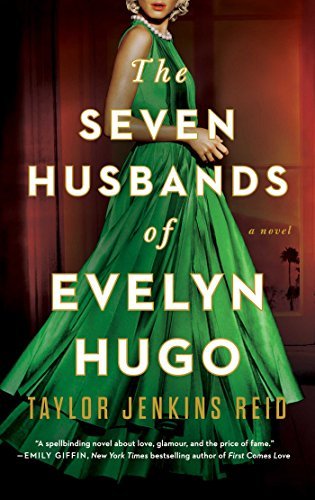
Reclusive aging film star Evelyn Hugo, who has been out of the limelight for decades, is resurfacing. She’s ready to tell all the details of her glamorous life, and of her seven husbands. She asks specifically for unknown magazine reporter Monique Grant, and no one is sure why. But Monique soon finds herself in Evelyn’s luxurious apartment, making a deal she may regret.
I’ve seen a lot of press for this book over the last few years, and it was nominated for a Goodreads Choice Award after it was released in 2017. With a recent fascination for old Hollywood, I expected a historical fiction that was fun and dramatic, but full of scandal in the way of show-business in the 50s and 60s.
I enjoy a lot about this story, which has all the elements I mention above, in addition to how Evelyn used her female assets as needed and married a number of times strategically for her career. In fact, the primary reason you root for Evelyn is that she knows what she wants — to be famous — and she’s open and honest with herself and others on this, and she goes after it with all she has.
The two twists (one of which I’ll give away as the book is shelved in the LGBT genre) is that Evelyn falls madly in love with another female actress, and they hide their relationship for decades. Thankfully their relationship is nuanced and feels real, and they even manage a happy life together for a number of years. As a queer story, this one doesn’t fall prey to tropes.
But it’s Evelyn’s lust for fame and her need to control the narrative that puts a strain on all her personal relationships — and connects her to reporter Monique Grant. Monique’s career isn’t going well, and her husband just left her, so she’s in a deep rut at the beginning of the book. But Evelyn’s offer and story give her a reason to reframe and restart her life.
Unfortunately, I don’t particularly enjoy the handling of race. Our two primary protagonists are women of color, and while they both discuss it, their identity and culture don’t feel deeply into their characters. Evelyn hid away her Cuban identity for fame, but later retires to Spain to make tortillas and speak some Spanish to her help. Monique is a black woman raised by her white mother, but again, the treatment of her identity feels surface-level.
Mostly, this is a sentimental story that means to move your emotions along it’s dramatic twists and turns. It moves fast and you want to keep turning those pages. Recommended as a light summer read for fans of historical fiction with a queer bent.