- The Good: Tricksy fae bargains, curses, and prophesies
- The Bad: Shaky pacing; lacks character development; the resolution focuses only on the fae logic—no comeuppance for the villian
- The Literary: Flowery and atmospheric prose
Celia was just a young witch not familiar with her own power when she cursed her oldest brother, planting a prophecy that wouldn’t allow him a life with love. Her oldest brother wanders the world for many years, seeking fame and glory instead of love, and even as an adult Celia cannot find a way to reverse what she’s done.
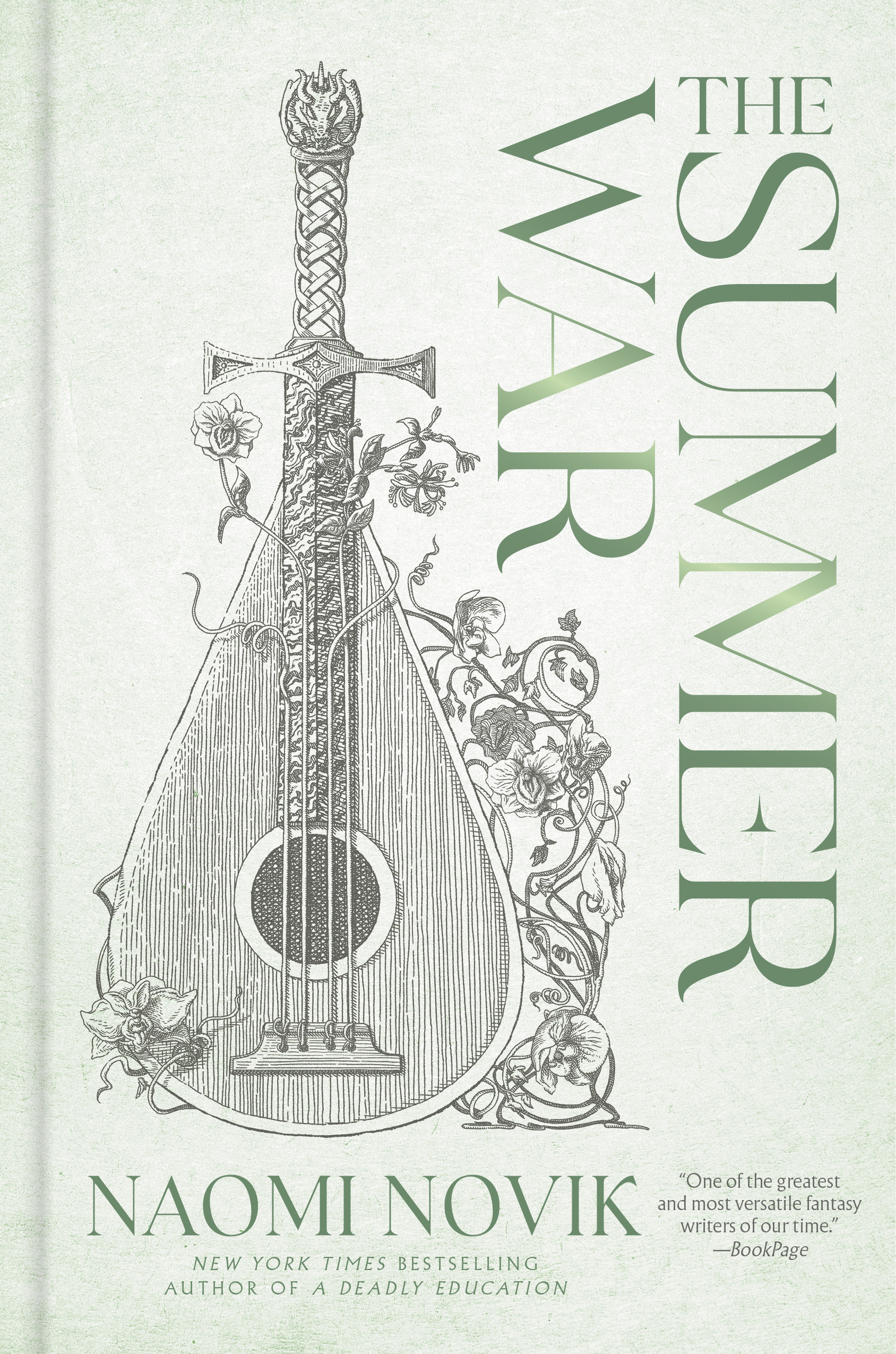
The Summer War is a hugo-nominated fairy tale novella. If there is one thing that Novik does consistently it’s craft a mood, an atmosphere that reads very much like a fairy tale, and this work is no exception.
The story begins with twelve-year-old Celia, a naive noblewoman who sighs a lot when she listens to music. But she’s also a very observant of her brothers and father, and runs a huge castle with loads of servants. But she doesn’t understand why her oldest brother Argent must leave (he’s too gay for their father), and Celia throws an unexpected tantrum (which seems out of place for her character).
I really enjoy the fae worldbuilding here, though I wish there was more. The Summer War is a war between the mortal and fae realms that’s been raging for 200 years, but the battles only take place in the summer. The fae, who we see in the second half of the story, are otherworldly and a little scary, which is refreshing compared tp the beautiful and shallow faeries that are currently in vogue.
Unfortunately, I find the plot to be sloppy and confusing, especially the first half of the book, which follows Celia’s life at court as she grows up, when she’s expected to be married off, and lots of court politics. But once fae bargains and self-fulfilling prophecies begin to emerge, the story is much more entertaining.
If you are new to Novik’s work, I recommend starting with Spinning Silver first.